

Broken spaghetti in the bag costs you the sale before the customer tastes it. A wrong machine breaks long pasta, overfills short pasta, or lets moisture in.
This guide shows you the pasta packaging machine that fits your pasta, your bag, and your line speed.
Your pasta type decides the machine, the bag, and the handling. Long, short, and fresh pasta need different pasta packaging machines.
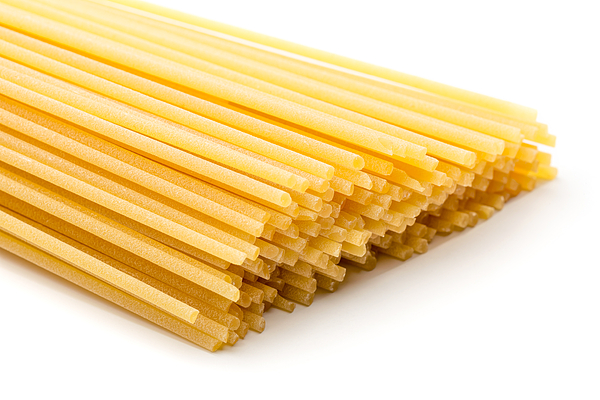
Spaghetti is long, thin, and easy to snap. A broken strand looks bad in a clear bag, so the line must align each strand before bagging. Long pasta needs a long bag and a gentle feed, not a fast drop.
Short pasta flows like a granule, so a multihead weigher handles it well. Penne and macaroni fill fast and break less than spaghetti. A standard pasta packaging machine with a weigher packs short pasta at full speed.
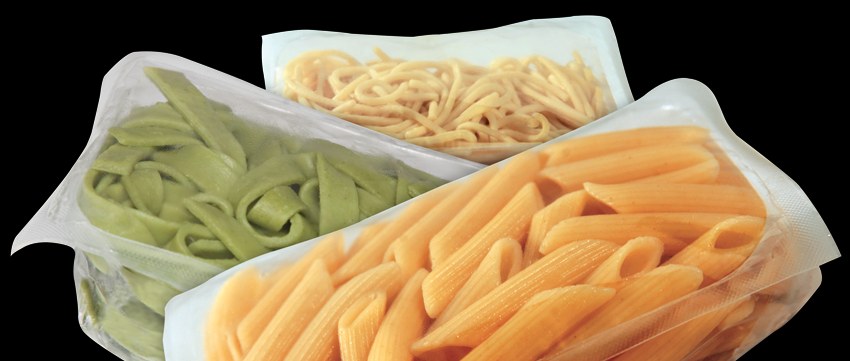
Fresh pasta holds moisture, so it spoils fast without the right pack. A tray with MAP keeps it fresh and shows the product through a clear lid. A fresh pasta line runs slower and needs a cold chain after packing.
Your bag format is the first thing a buyer sees. It must protect the pasta, fit your price, and stand out on the shelf.
A pillow bag is the lowest-cost pack for dry pasta in large sizes. A VFFS machine forms it from roll film, so unit cost stays low at volume. The trade-off is a flat look with no reseal, so it suits value brands best.
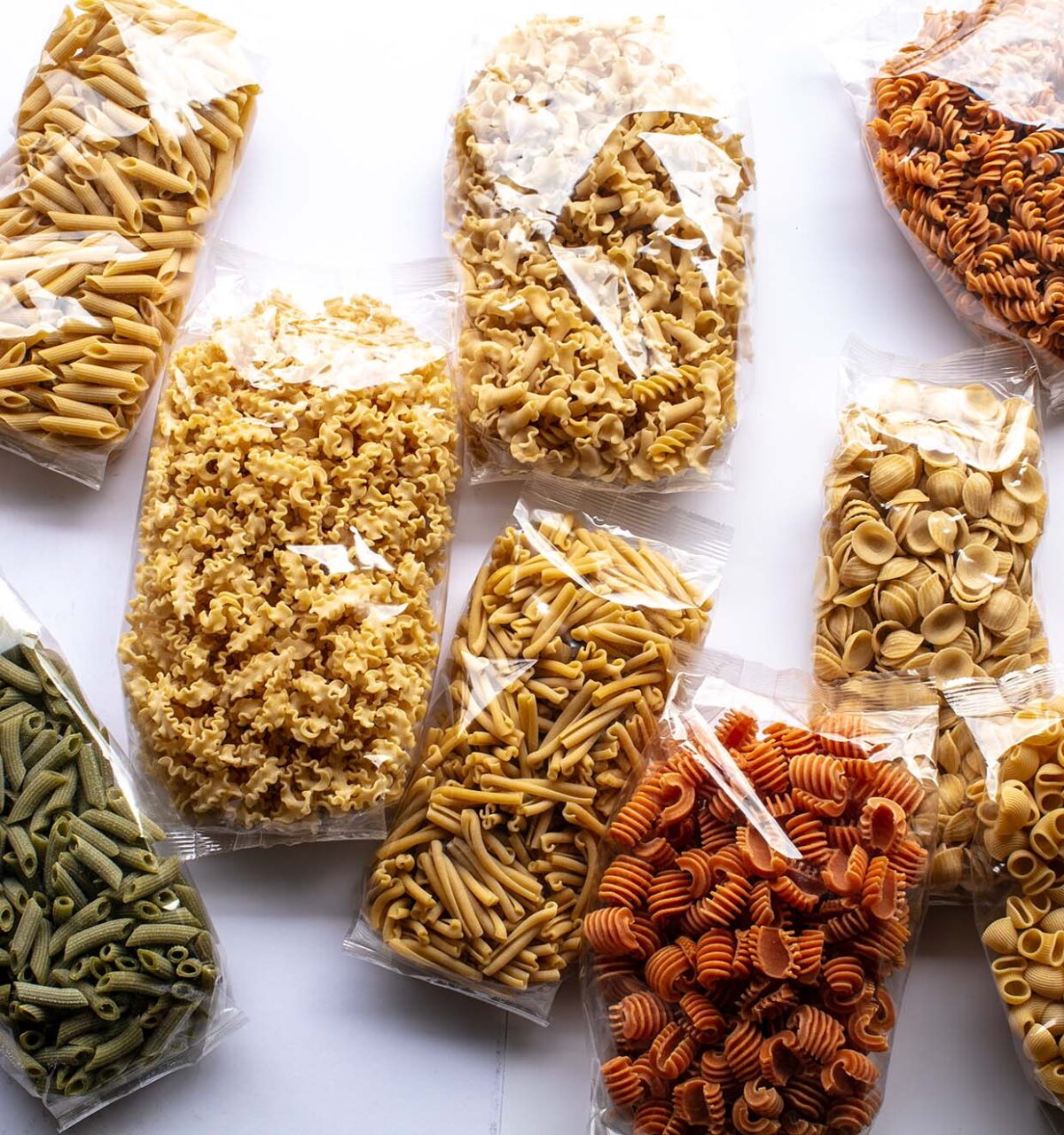
A stand-up bag gives a premium look and a reseal your customer uses every day. It holds its shape on the shelf and keeps pasta fresh after opening. A premade pouch machine fills it, which costs more per bag than roll film.
A tray with MAP suits fresh pasta and premium portions. The tray shows the product through a clear lid, and the gas mix slows spoilage. A tray line costs more to start, but it gives the longest fresh life.
A good pasta packaging machine does three jobs at once. It keeps long pasta whole, weighs each pack right, and keeps moisture out.
Long pasta must lie straight before it enters the bag. An aligning unit lines up each strand, and a slow feed stops strands from snapping. A fast, rough feed breaks spaghetti before the bag is sealed.
A comb guide keeps the strands parallel as they move toward the bag. Ask the supplier to run your longest strand on the machine before ordering. A short trial run shows the real breakage rate before payment.
A long bag matches the full length of the strand, so nothing bends at the ends. A standard short bag forces spaghetti to bend or break. Check the bag length against your longest strand before you buy the machine.
The forming tube sets the bag width, so match it to your strand bundle. A changeable forming tube lets one machine run several bag lengths. Leave a small gap above the strand, so the seal jaw never presses the ends.
Every drop, shake, and sharp turn adds breakage to long pasta. A gentle line uses smooth belts, wide turns, and soft drops. Fewer broken strands mean a better-looking bag and fewer complaints.
Short drops and slow belts cut the impact on each strand. Check the finished bag for broken pieces after the first run. A machine with adjustable belt speed lets you slow down for fragile strands.
A multihead weigher weighs short pasta fast and close to target. It picks the best mix of heads for each pack, so giveaway stays low. A typical unit holds ±0.2–1.0 g on small pasta packs.
A typical 10-head unit suits small packs, while a 14-head unit suits faster lines. The weigher mixes heads to hit the target with the least giveaway. Clean the heads each shift, because pasta dust changes the weight.
Giveaway is the pasta you pay for but never sell. Set the target weight close to the label weight, and check filled packs on a scale each hour. Keep giveaway below 1% to protect your margin.
Weigh a sample of packs each hour and log the results. If giveaway rises above 1%, lower the target in small steps. A checkweigher after the bagger catches packs outside the range.
Small retail packs need tight accuracy, because each gram counts more. Bulk packs allow a wider range, but the total giveaway grows fast. Set a different target for each pack size, not one target for all.
A 250 g retail pack and a 5 kg bulk pack need different weigher settings. Store each pack size as a saved recipe, so changeover takes minutes. Bulk packs often use a bigger weigher or a second filling head.
Dry pasta absorbs moisture from the air, so the film must block it. A multi-layer barrier film keeps pasta crisp for months on the shelf. A thin single-layer film lets moisture in and turns pasta soft.
Ask the film supplier for the moisture barrier rate in writing. A film with a metalized layer blocks more moisture than a clear film. Store film rolls in a dry room, because damp film seals poorly.
A nitrogen flush pushes oxygen out of the bag before sealing. Less oxygen means slower spoilage and a longer shelf life. A pasta packaging machine with a gas flush option suits premium and export packs.
A typical target is residual oxygen below 1% in the sealed bag. Check the gas level with an oxygen analyzer at the start of each run. A gas flush nozzle inside the forming tube flushes each bag evenly.
A weak seal lets moisture in and cuts shelf life short. A clean seal jaw and the right temperature close each bag tight. Test seals at the start of every run to catch weak seals early.
A wider seal jaw gives a stronger seal on thick film. Keep the jaw clean, because pasta dust on the jaw causes leaks. A seal test in a water bath shows leaks in seconds.
Speed decides how many bags leave your line each hour. A typical pasta line runs 30–120 bags per minute, and the right speed depends on your pasta and your pack.
Short pasta runs faster than long pasta, because it flows and breaks less. A pasta packaging machine at 60 bags per minute fills 3,600 bags per hour. Check the speed on your own pasta, not on a brochure number.
A shape change means a new bag size and a weigher reset. A typical changeover takes 15–30 minutes on a pasta line. Plan batches by shape to cut the number of changeovers each week.
Sales growth turns a starter line into a bottleneck. Add a faster weigher or a second machine before the line runs out of hours. A line with 5–10% spare capacity absorbs a sales spike without a shutdown.
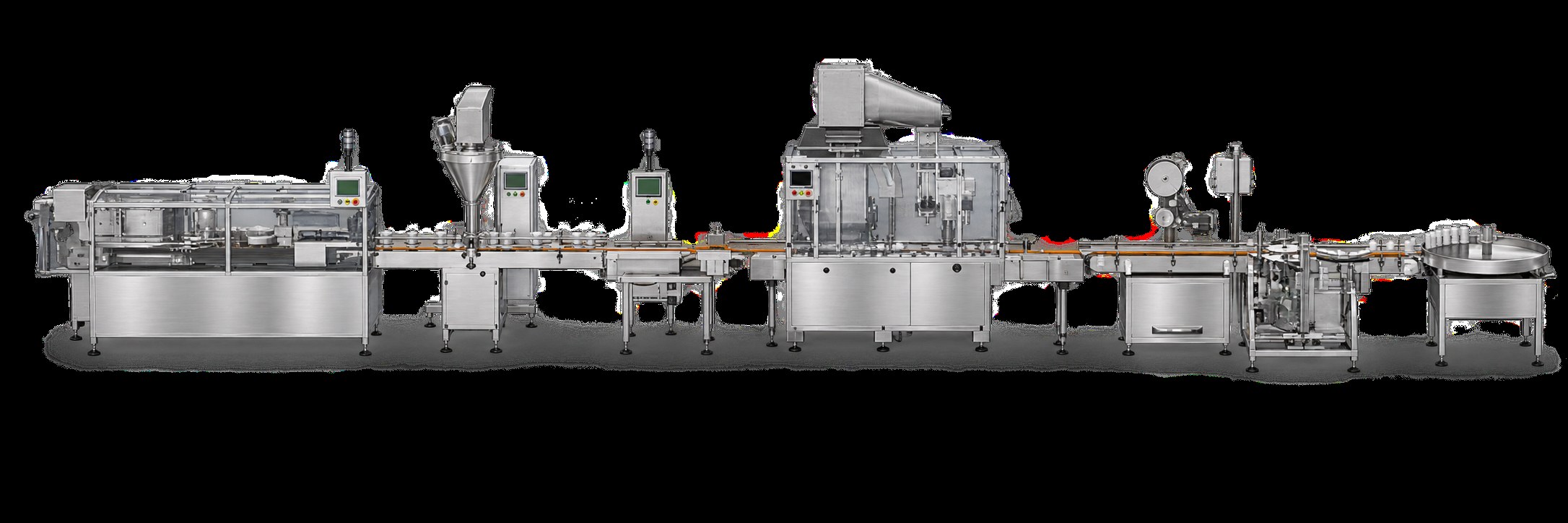
Start with your pasta type and pick the bag your buyer trusts. Run a pasta packaging machine that keeps long pasta whole and every pack on weight. When sales grow, scale the line with LINK Machinery.
1. What pasta packaging machine suits long spaghetti?
Use a machine with an aligning unit, a long-bag format, and a gentle feed. A long bag matches the full strand length, so nothing bends or breaks at the ends.
2. Can one pasta packaging machine pack long and short pasta?
Yes, if it handles both a long-bag format and a weigher for short pasta. Change the bag size and reset the weigher at each changeover, which takes 15–30 minutes.
3. How accurate is a pasta packaging machine at weighing?
A typical multihead weigher holds ±0.2–1.0 g on small pasta packs. Check filled packs on a scale each hour, and keep giveaway below 1%.
4. Which bag format fits a pasta packaging machine best?
Pillow bags suit dry pasta at low cost, and stand-up bags suit premium brands. Fresh pasta needs a tray with MAP, which shows the product and slows spoilage.
5. What speed does a pasta packaging machine run at?
A typical pasta line runs 30–120 bags per minute. Short pasta runs faster than long pasta, and a line at 60 bags per minute fills 3,600 bags per hour.
6. How does a pasta packaging machine prevent breakage?
It aligns each strand, feeds it slowly, and uses smooth belts with soft drops. Test your longest strand in the machine before you buy it.

E-mail : Molly@xmlk-machine.com
Envoyez-nous un email
Room 810, No. 35-2 Xinjing Road, Haicang, Xiamen, Fujian, China
Notre adresse
Tél : +86 18150150881
Whatsapp : +8618150150881
appelez-nous


 français
 English
 português
 ไทย
